Excellence in

Entertainment

Breed Pavilion

Discover Unique Breeds or Showcase Your Own!

breed-pavilion-logo

The Western States Horse Expo offers you a unique experience that even the pickiest of horse owners will embrace. Bring your show horses, breeding stallions or latest foal crop and introduce them to tens of thousands of horse owners from all over the world while driving up exposure for your breeders and show managers! Stop singing to the choir and meet individuals who are eager to learn about the variety of breed options available to them.

The Horse Expo Breed Pavilion consists of 120 permanent, matted and shaded stalls, located just steps away from the main exhibit halls and concession area. Do you have awesome branded banners or drapes you want to show off? Upgrade your location to include a Stall End and ensure you receive the best exposure!

As an attendee, you can learn more about your favorite breed directly from the associations or fall in love with a new breed and see them in action as they demonstrate their athletic ability, trainable minds and diverse natures. Take a stroll through the Breed Barns and meet the horses and the people that love and care for them. See the slider below to discover  the breeds who will be participating in this year’s program!

Breed organizations, want to participate a breed demonstration? Fill out our online Breed Demonstration Application or email today!

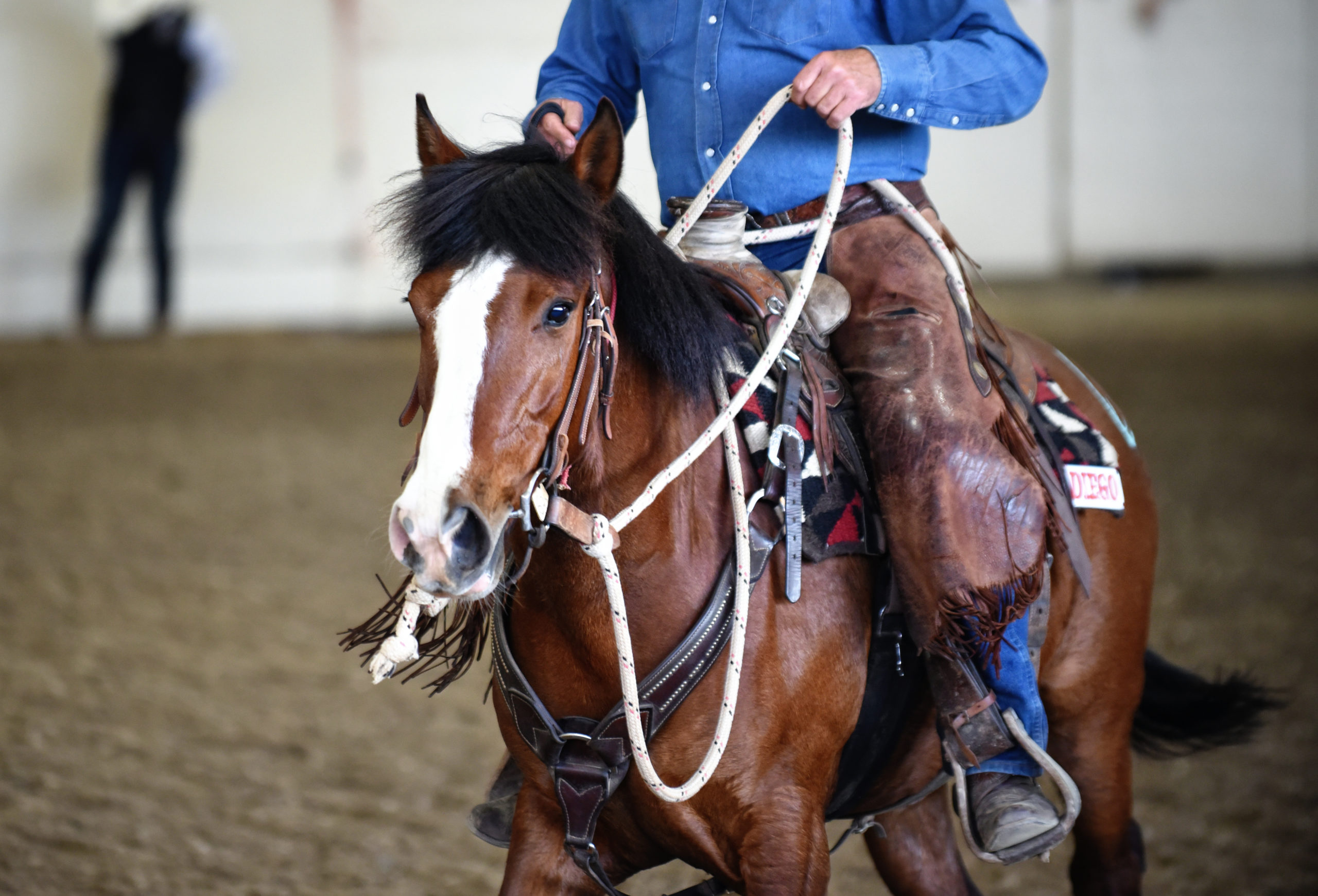
American Quarter Horse

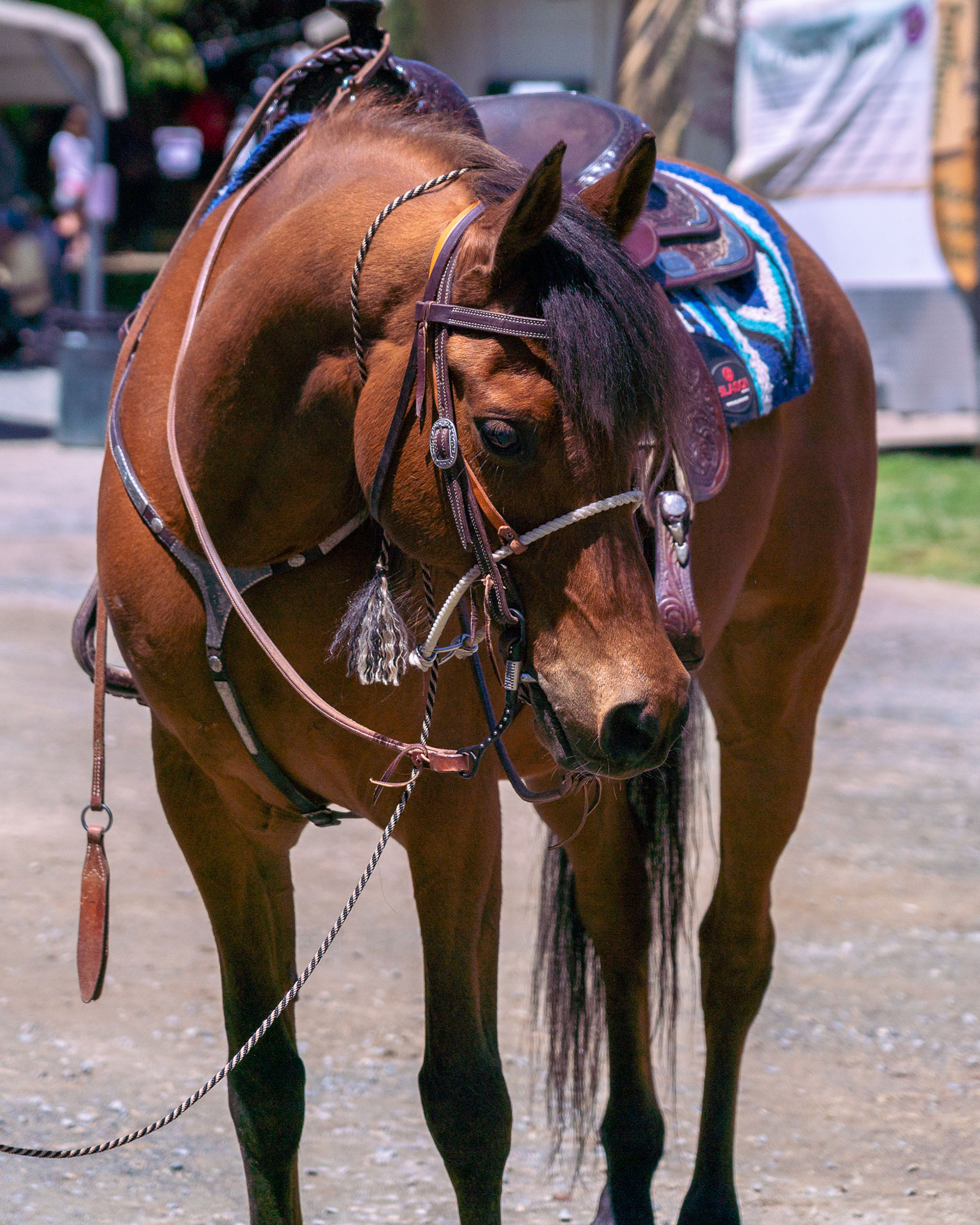
The American Quarter Horse is the most popular breed in the United States, and the American Quarter Horse Association is the largest breed registry in the world, with almost three million living American Quarter Horses registered in 2014. The American Quarter Horse is well known both as a race horse and for its performance in rodeos, horse shows, and as a working ranch horse.

The compact body of the American Quarter Horse is well suited for the intricate and quick maneuvers required in reining, cutting, working cow horse, barrel racing, calf roping, and other western riding events, especially those involving live cattle. The American Quarter Horse is also used in English disciplines, driving, show jumping, dressage, hunting, and many other equestrian activities.

Read More
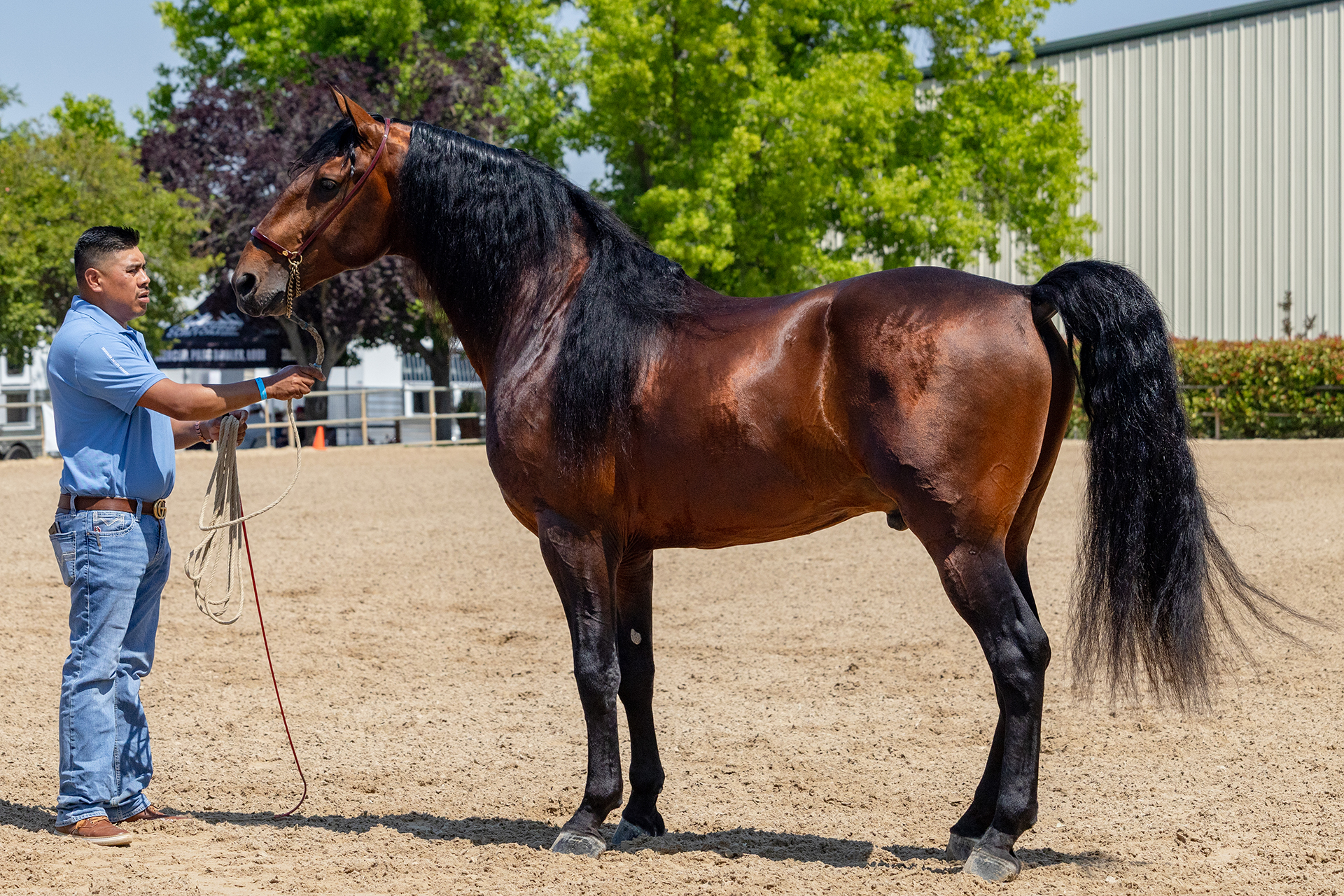
Andalusian/PRE

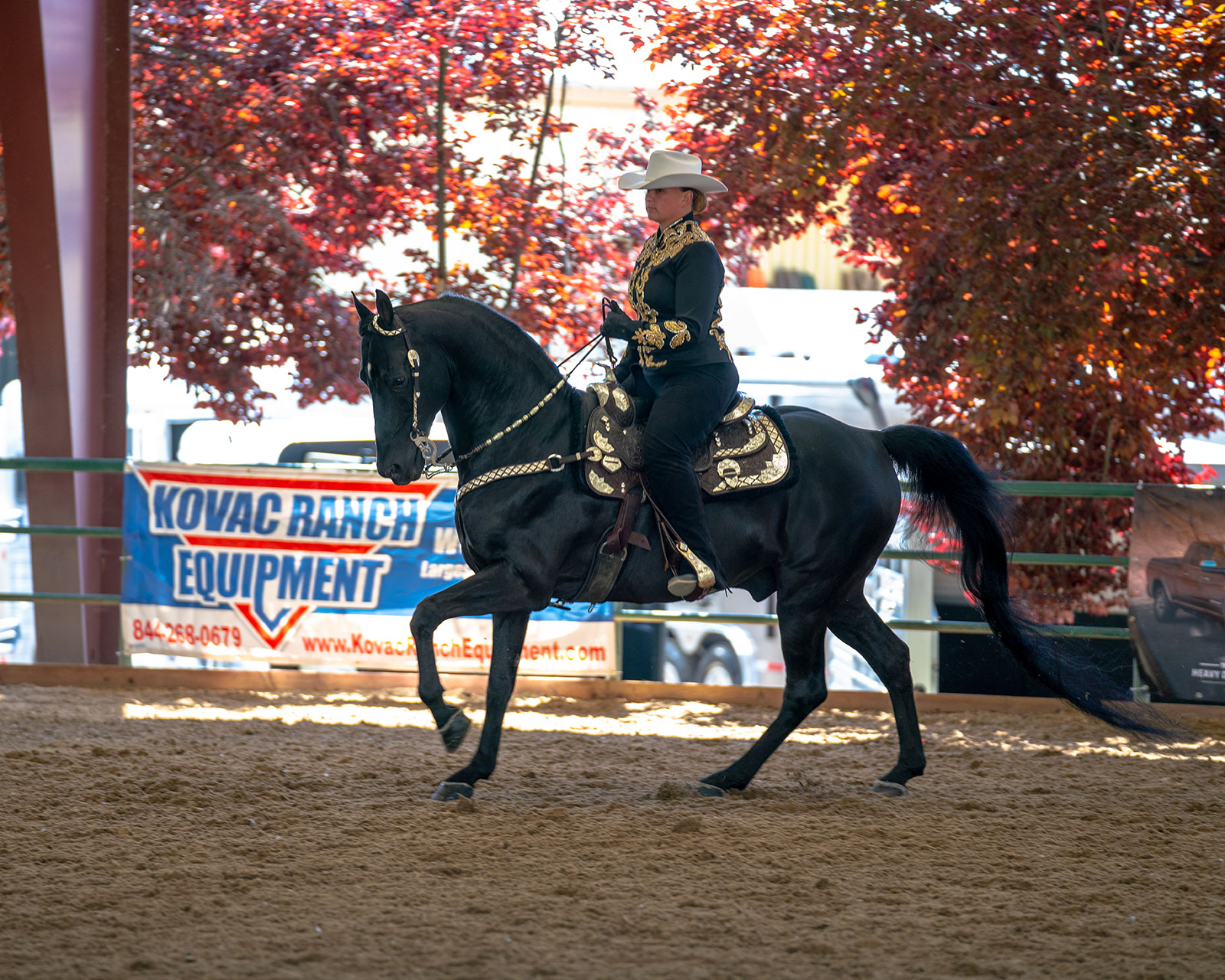
The Andalusian, or Pura Raza Española (PRE), is a historic Iberian breed renowned for its strength, elegance, and expressive movement. Originating in Spain, its ancestors have lived on the Iberian Peninsula for thousands of years, and the breed has been formally recognized since the 15th century. Known for their compact yet powerful build, arched necks, and abundant manes and tails, PRE horses are especially celebrated for their intelligence, sensitivity, and natural aptitude for collection. Their most common coat color is grey, though many other colors occur. Historically prized as war horses and diplomatic gifts, Andalusians were favored by European nobility and played a major role in the development of numerous modern breeds.

Today, the PRE remains a symbol of Spanish heritage and classical horsemanship. Strict studbook requirements maintained by ANCCE ensure the purity and consistency of the breed, distinguishing PREs from broader “Andalusian” classifications used outside Spain. Modern PREs excel in classical dressage, driving, and working equitation, where their agility, elevated gaits, and willingness to learn shine. Despite near‑collapse in the 19th and early 20th centuries due to war, disease, and crossbreeding, the breed has rebounded and now enjoys global admiration. Their combination of baroque beauty, athleticism, and noble temperament continues to make the Andalusian/PRE one of the world’s most iconic and beloved horse breeds.

Sources: Wikipedia & Horse Illustrated Magazine

Read More
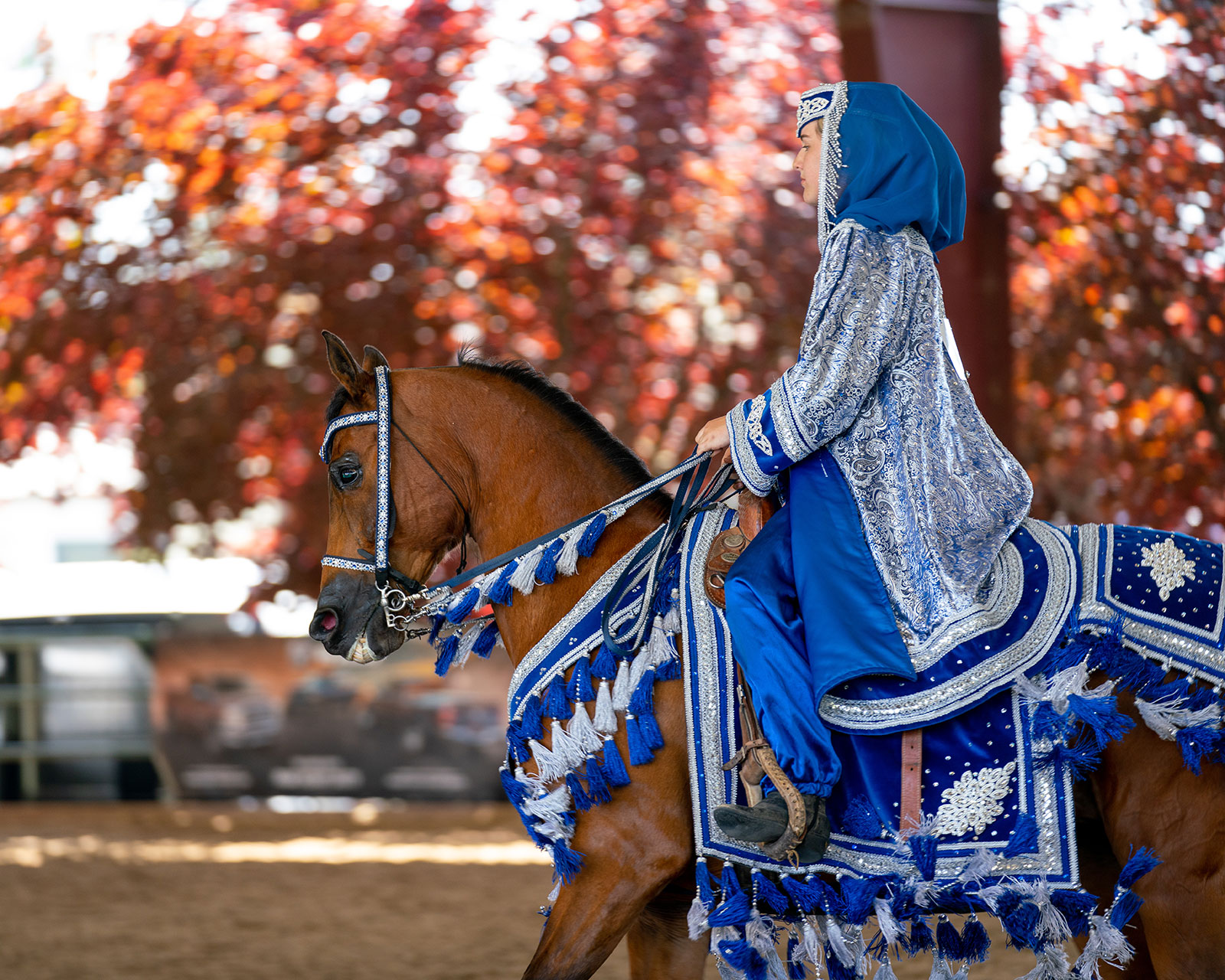
Arabian

The Arabian originated on the Arabian Peninsula. With a distinctive head shape and high tail carriage, the Arabian is one of the most easily recognizable horse breeds in the world. It is also one of the oldest breeds, with archaeological evidence of horses in the Middle East that resemble modern Arabians dating back 4,500 years. Throughout history, Arabian horses have spread around the world by both war and trade, used to improve other breeds by adding speed, refinement, endurance, and strong bone. Today, Arabian bloodlines are found in almost every modern breed of riding horse.

The Arabian developed in a desert climate and was prized by the nomadic Bedouin people, often being brought inside the family tent for shelter and protection from theft. Selective breeding for traits including an ability to form a cooperative relationship with humans created a horse breed that is good-natured, quick to learn, and willing to please. The Arabian also developed the high spirit and alertness needed in a horse used for raiding and war. This combination of willingness and sensitivity requires modern Arabian horse owners to handle their horses with competence and respect.

The Arabian is a versatile breed. Arabians dominate the discipline of endurance riding, and compete today in many other fields of equestrian activity. They are one of the top ten most popular horse breeds in the world. They are now found worldwide, including the United States and Canada, United Kingdom, Australia, continental Europe, South America (especially Brazil), and their land of origin, the Middle East.

Read More
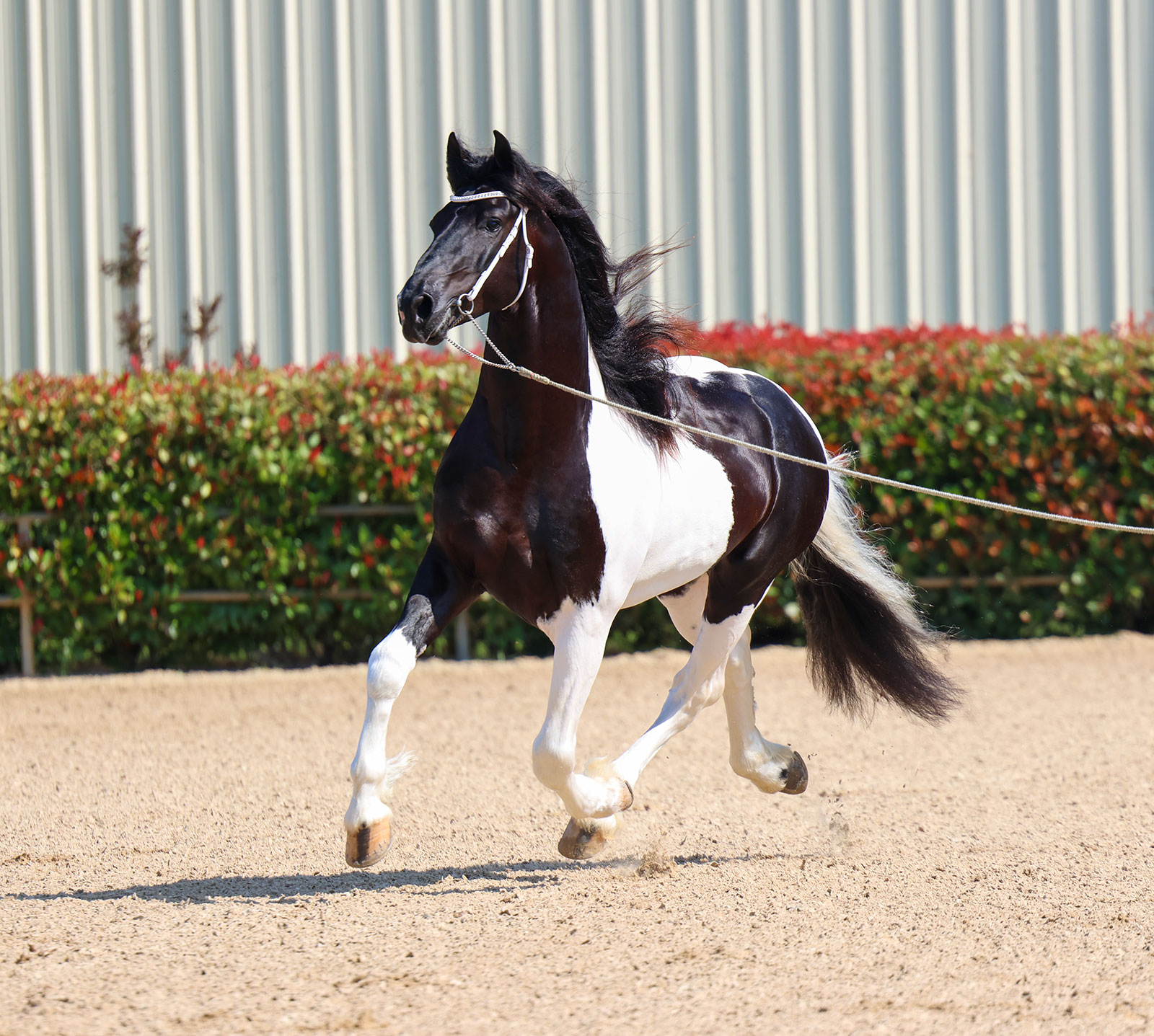
Barock Pinto USA

Barock Pinto horses are a relatively young horse breed originating from Friesland. This extraordinary breed – the beauty of which was also admired outside of the Netherlands – was created by crossbreeding Friesian mares with dappled Old Gelderland horses in the 1950s. The Barock Pinto horse breed goes back to a stallion named Bonte Nico, who was known for his striking dappled pattern. The word “pinto” contained in the name means “painted, dappled” in Spanish and refers to the breed’s most important feature: the beautiful horses’ black and white pattern. All horses from the Pinto family must meet certain requirements regarding their coat to be recognized as such. If a horse only has a single spot that differs from the coat’s foundation color, proof of this area measuring at least 500 cm² is required. Horses with purely black coats can also be included in the breeding register. For this, they need to have at least two areas of white with a diameter of at least ten centimeters.

The beautiful, dappled warm-blooded horses that are commonly referred to as “colorful Friesian horses”, look similar to other Friesian horses. The term “Barock” (baroque) refers to the horses’ baroque physique. They have a square body shape that is typical for baroque horses and an elegant head with small ears and beautiful big eyes. They are also distinguished by their strong neck, a wide chest, and well-developed muscles on the hindquarters. The horses are black and white with an overo (white-over-dark) or tobiano (white-haired, pink-skinned patches on a base coat color) pattern. Barock Pinto horses typically also have a long tail, a lush mane and extensive feathering.

Read More
BLM Wild Horse and Burro Program

The mustang is a free-roaming horse of the American west that first descended from horses brought to the Americas by the Spanish. Mustangs are often referred to as wild horses, but because they are descended from once-domesticated horses, they are properly defined as feral horses. The original mustangs were Colonial Spanish horses, but many other breeds and types of horses contributed to the modern mustang, resulting in varying phenotypes. Most contain a greater genetic mixture of ranch stock and more recent breed releases, while a few are relatively unchanged from the original Iberian stock, most strongly represented in the most isolated populations.

They are bred by Mother Nature to survive in a tough desert environment. Strong, intelligent, with good bone, and very hardy, wild horses can be trained to do anything their domestic cousins do. Wild burros are gentled and often trained for livestock guardians, riding, packing, and driving. These lovable animals make wonderful companions for horses.

In 1971, the United States Congress recognized wild horses and burros as living symbols of the historic and pioneer spirit of the West, which continue to contribute to the diversity of life forms within the Nation and enrich the lives of the American people.

Read More
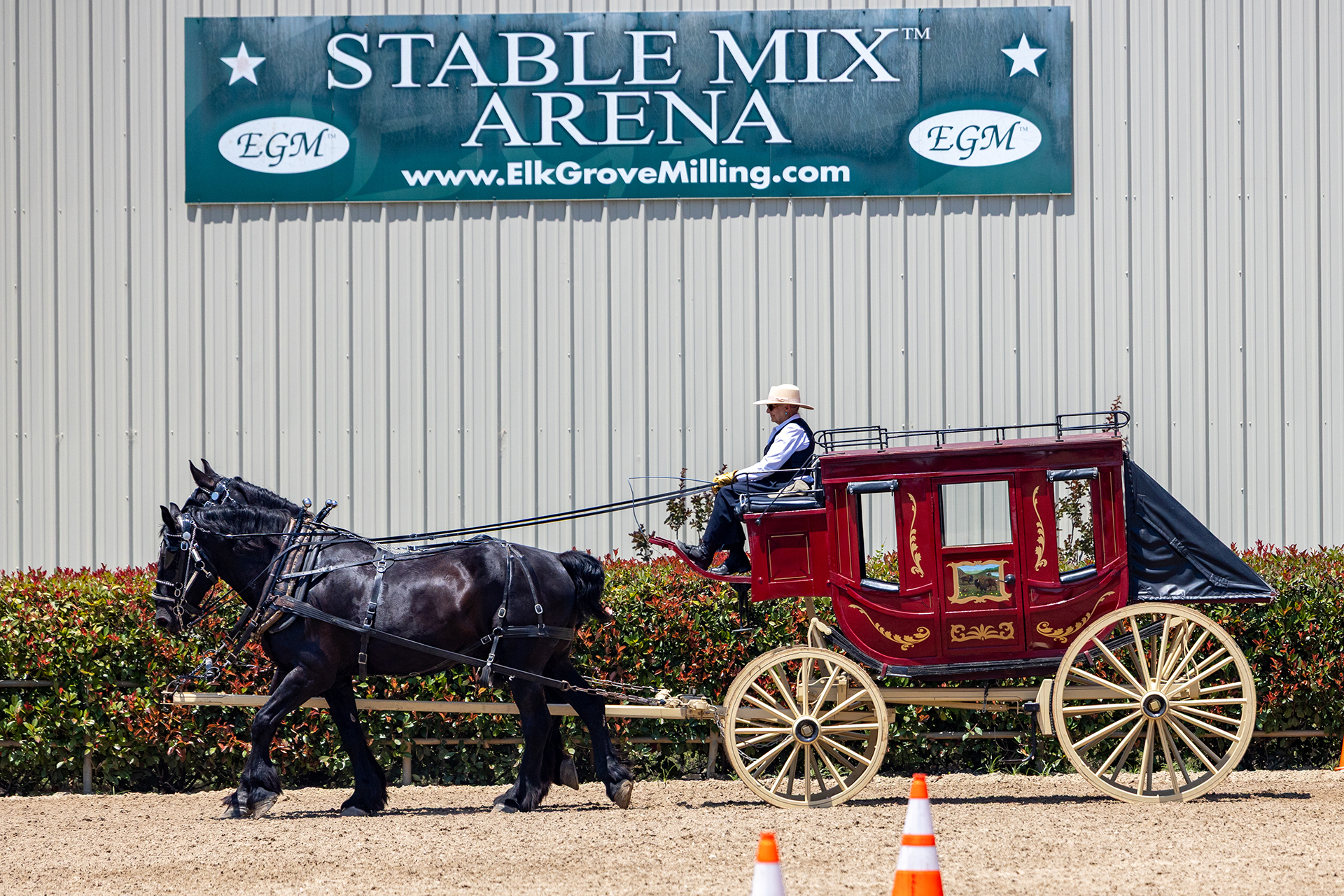
Draft Horse Classic

See the beautiful draft horses at the 2026 Draft Horse Classic and Harvest Fair! Watch six amazing shows spread over four days featuring majestic draft horse performances, breathtaking competitions, along with non-stop entertainment in between classes. Between shows, you’ll have an opportunity to get up close to a draft horse.

This is all a part of the Annual Draft Horse Classic and Harvest Fair at the Nevada County Fairgrounds in Grass Valley. The Classic has grown to become the premier draft horse show in the western United States.

September 17-20, 2026 at the Nevada County Fairgrounds in Grass Valley

Read More
Marwari Horse

The Marwari horse is a rare and historically significant breed originating from the Marwar region of Rajasthan in northwestern India. Known for its distinctive inward‑curving ears—often so curved that the tips nearly touch—the Marwari stands out immediately in appearance and heritage. Bred for centuries by the Rathore dynasty, these horses were valued for their loyalty, bravery, and stamina, serving as dependable cavalry mounts capable of navigating harsh desert terrain. Their coats come in many colors, with grey often considered the most auspicious, and they typically exhibit a slim, athletic build suited for endurance and long-distance travel.

Today, the Marwari remains a rare but culturally treasured breed, admired for its elegance, intelligence, and sure‑footed movement. Although export restrictions have historically limited their presence outside India, small numbers have reached international enthusiasts, increasing global awareness of the breed. Modern Marwaris are used for riding, light work, and ceremonial purposes, and they continue to attract attention for their unique appearance and deep historical roots. Their combination of hardiness, distinctive conformation, and storied past makes them one of the most fascinating horse breeds in the world.

Sources: Wikipedia & The Spruce Pets

Read More
Miniature Donkey

The miniature donkey—formally known as the Miniature Mediterranean Donkey—originated in the Mediterranean islands of Sicily and Sardinia, where small, hardy donkeys were used for centuries to carry firewood, haul grain, and perform light draft work. They typically stand 36 inches or under at the withers and weigh between 200–350 pounds, with grey‑dun being the most common color, though black, brown, sorrel, white, and spotted varieties also occur. Their compact size, durability, and gentle nature made them valuable working animals in their homeland, and they were first imported to the United States in the early 20th century, where dedicated breeding programs helped establish the modern miniature donkey population.

Today, miniature donkeys are beloved for their friendly, intelligent, and affectionate temperament, making them excellent companions, therapy animals, and family-friendly farm residents. Their cautious, thoughtful nature—often mistaken for stubbornness—actually makes them steady and safe around children. Miniature donkeys thrive on simple, high‑fiber diets, require regular hoof care, and can live 30 years or more with proper management. While sometimes promoted as livestock guardians, their small size limits their effectiveness, and they are better suited as companions than protectors. Their charm, sociability, and long lifespan have made them increasingly popular across hobby farms and rural homes.

Source: The Livestock Conservancy

Read More
Miniature Horses

The result of nearly 400 years of selective breeding, historians tend to support the Miniature Horse breed as a derivative of many sources. In prehistoric times small horse breeds were most likely the products of surviving harsh natural climates and limited feed. Today, knowledge of genetics has made the possibility of breeding specifically for size a reality.

The first mention of a small horse being imported into the United States was in 1888; and research shows little public awareness of true Miniatures until 1960. Popular belief is that American Miniature horses utilized the blood of English and Dutch mine horses brought into this country in the 19th century and used in some Appalachian coal mines as late as 1950. The American Miniature Horse, as documented in the pedigrees of Miniatures today, also drew upon the blood of the Shetland pony. Throughout its colorful past, the Miniature Horse breed had been bred for pets, novelty, research, monetary gain, mining work, exhibition and royal gifts.

  • Size: No bigger than a large dog, American Miniature Horses are “miniature” versions of well-balanced horses, possessing conformation characteristics found in most equine breeds. Miniature Horses can be found in a rainbow of colors and types.
  • Personality: Eager to please, the American Miniature Horse makes a gentle and affectionate companion for individuals of any age or ability.
  • Versatility: Though petite, Miniature Horses are extremely versatile and excel in a variety of disciplines including driving, halter, jumping, obstacle and others.
Read More
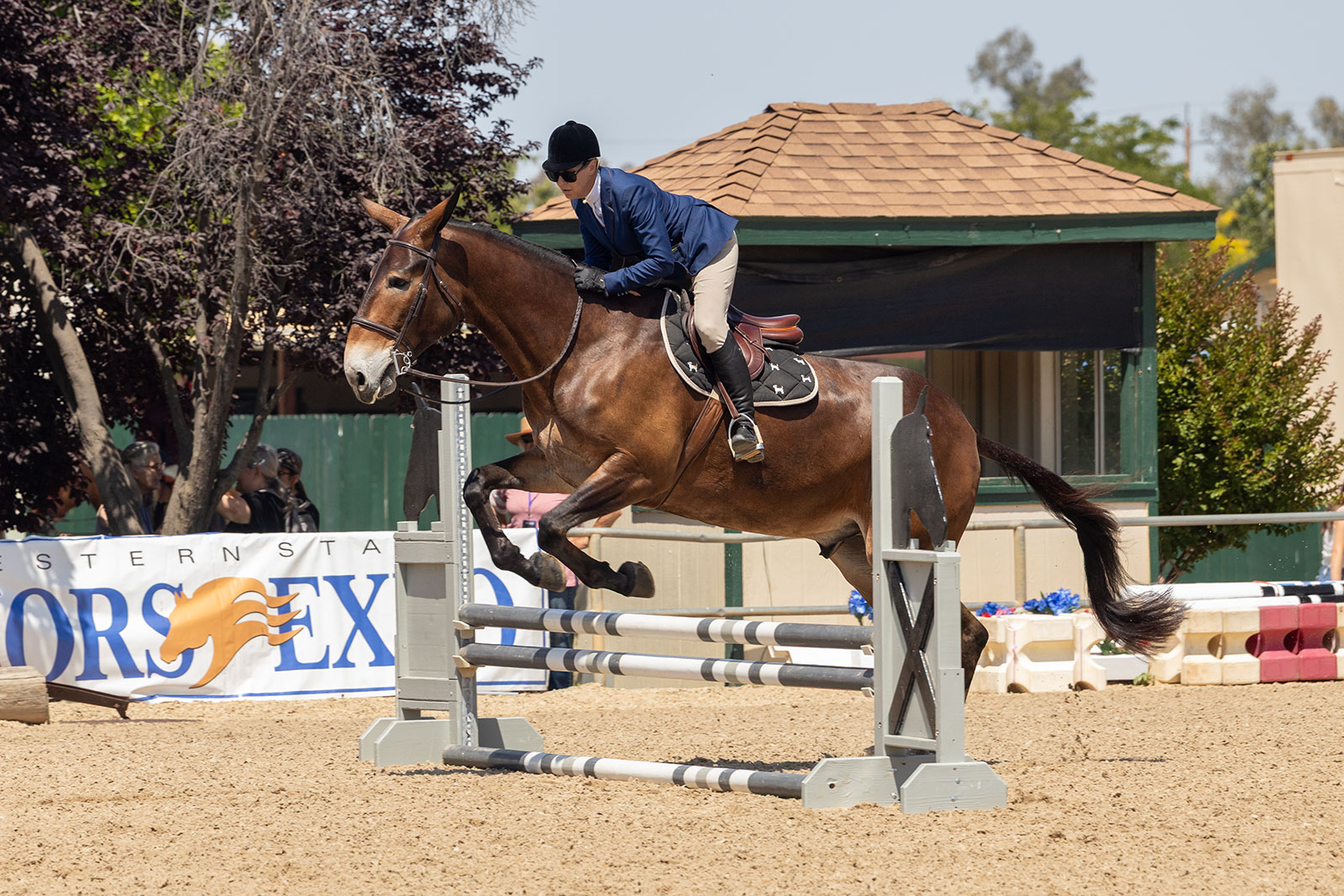
Mule

The mule is a domestic equine hybrid between a donkey and a horse. It is the offspring of a male donkey (a jack) and a female horse (a mare). The horse and the donkey are different species, with different numbers of chromosomes; of the two possible first-generation hybrids between them, the mule is easier to obtain and more common than the hinny, which is the offspring of a male horse (a stallion) and a female donkey (a jenny).

Mules vary widely in size, and may be of any color seen in horses or donkeys. They are more patient, hardier and longer-lived than horses, and are perceived as less obstinate and more intelligent than donkeys.

Read More
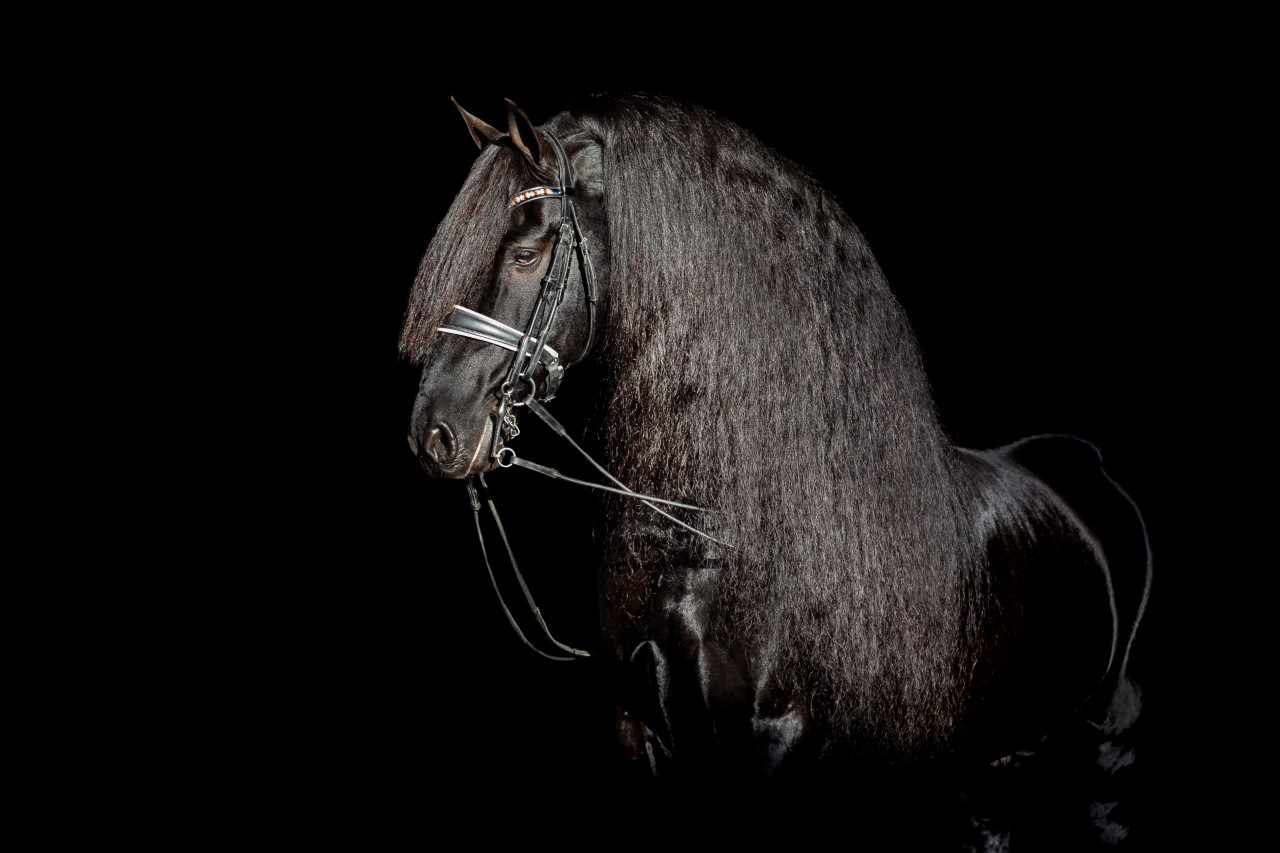
The Friesian

The Friesian horses originated in Friesland—a province of The Netherlands (Holland). The Friesian horse, one of Europe’s oldest breeds, was originally imported to North America in the seventeenth century but the breed was totally lost in North America due to crossbreeding. The Friesians were not reintroduced to North America until 1974.

Friesian horses are very versatile and can be used in riding for pleasure, and competition. They are ridden in dressage, pleasure, western and many other classes. Friesians are amazing in front of a carriage, which can also be for pleasure and in competition and even for light farm work. They are known for their beautiful long hair and black coat, quiet temperament, and willingness to learn and work.

There are currently more than 45,000 Friesians registered worldwide and approximately 8,000 of those horses are in North America.

A judging or Keuring, in Dutch, is an evaluation of horses here in North America, by officials from the Netherlands. Once a year, teams of officials qualified by the Friesch Paarden Stamboek are sent to North America to inspect or “judge” our horses. This is a thorough evaluation process that helps us to upgrade our breeding programs. The horses are judged in-hand and 60% of the evaluation is based on the quality of movement and 40% is based on conformation.

Please join us for our annual Keuring and Mare Show November 10-11, 2023, here at Murieta Equestrian Center.

Read More
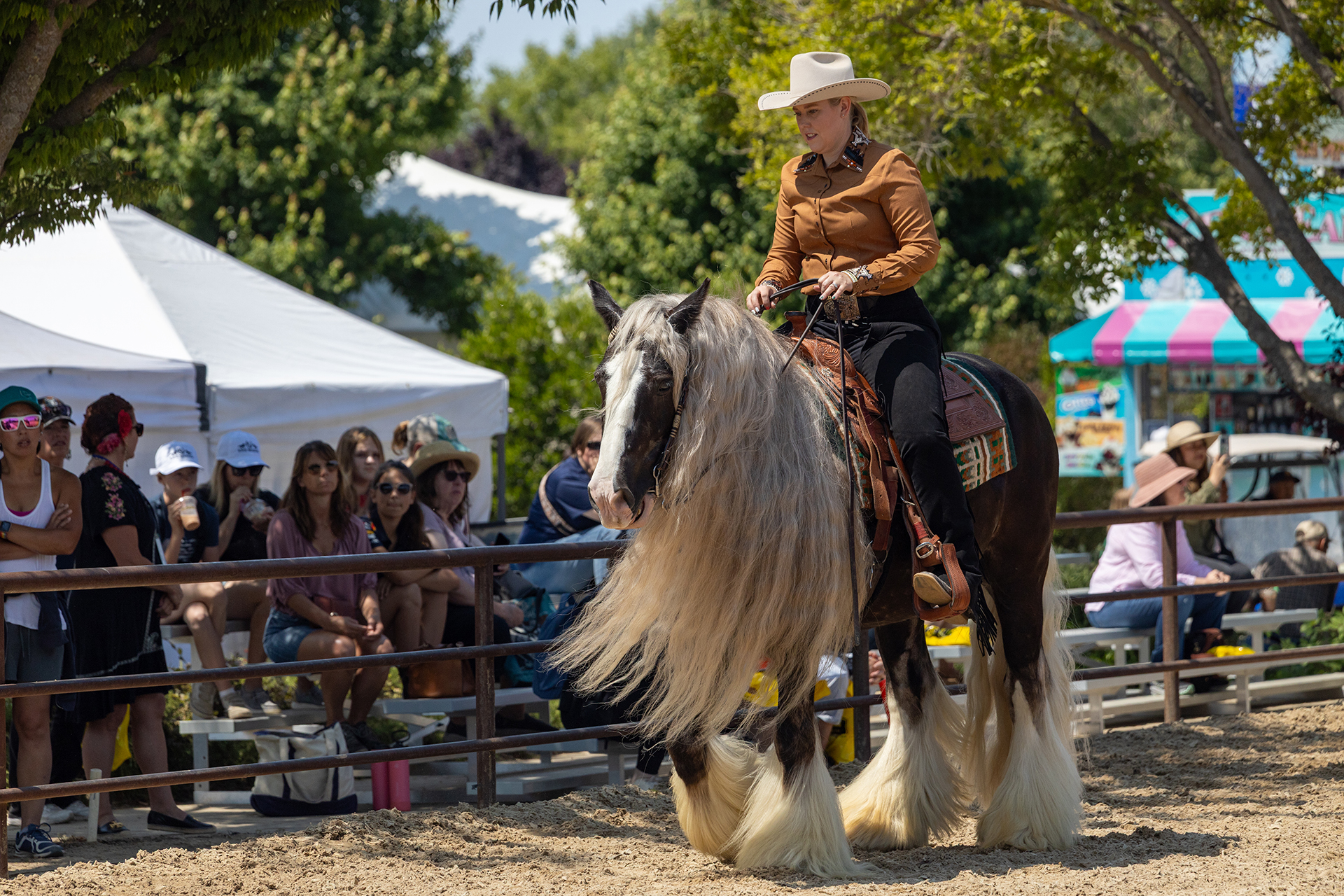
The Gypsy Vanner

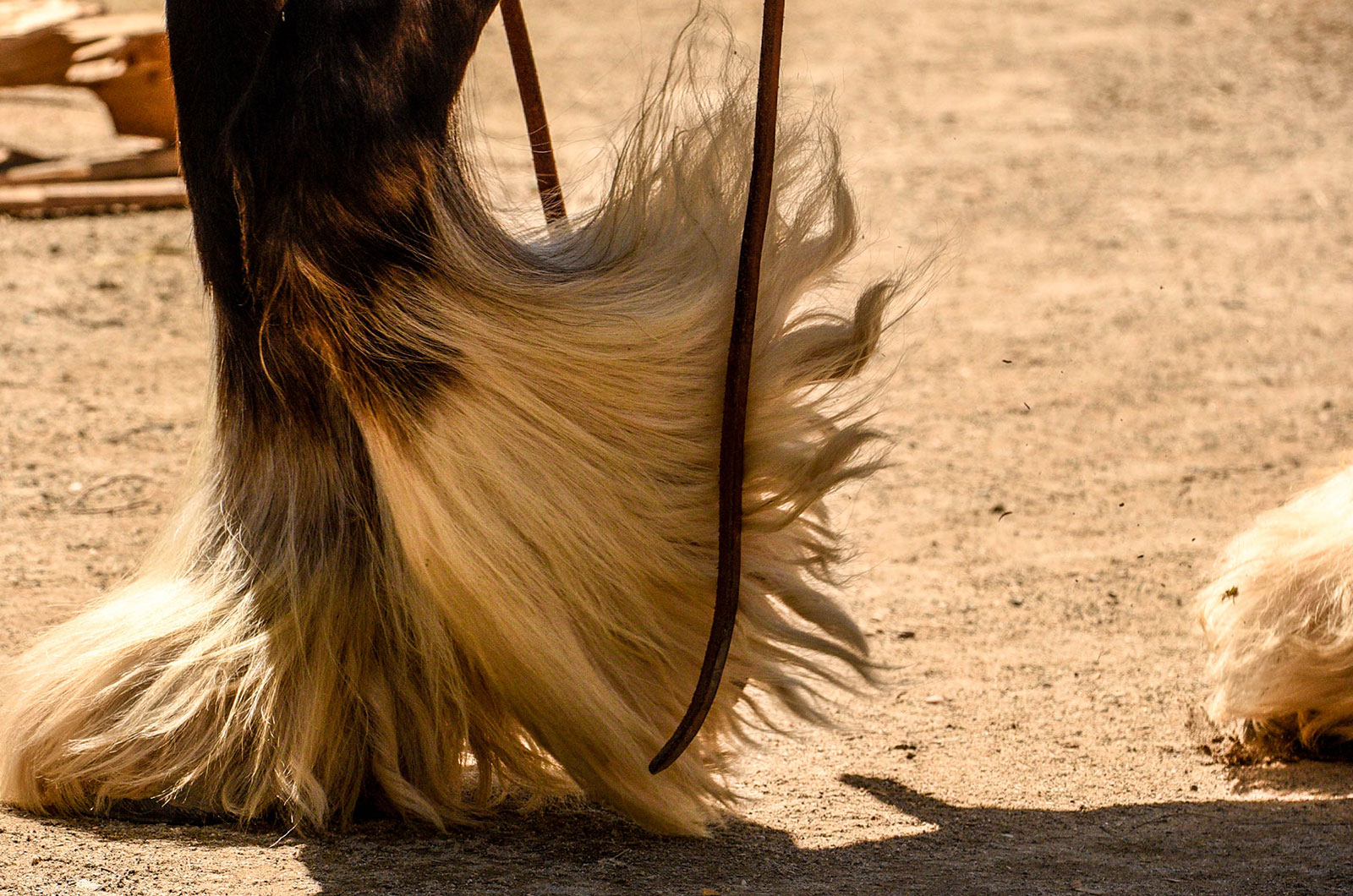
The Gypsy Horse, also known as a Gypsy Vanner or Gypsy Cob, originates from the UK and Ireland. They have the appearance of a small draft type, standing generally between 13 and 16 hands in height and characterized by a “sweet” head, well-muscled, powerful build, a well-rounded hip that is commonly referred to as a “Apple Butt”, abundant mane and tail and long hair/feather on the lower legs. They possess an incredibly gentle and willing temperament making them the ideal choice for many youth and amateur riders. Gypsy horses are commonly known for their eye catching black and white tobiano coloring but they also come in a variety of colors and patterns such as appaloosa, buckskin and blue roan. They are descended from a combination of Shires, Clydesdales, Friesians, Fell and Dales Ponies with their origins in the Romany gypsy community of the UK and Ireland. These horses were originally bred by the Romany people to pull their wagons or “caravans” known as Vardos. Today, the Gypsy Horse is excelling in nearly all riding disciplines as well as driving.

Read More